Industrial Vacuum Cleaners for Sandblasting and Metal Waste
In every industrial environment, cleaning and waste management have always been crucial aspects for maintaining efficient and safe operations. Sandblasting, a widely used process to clean, smooth, or engrave surfaces through erosion with sand or other abrasive materials, generates a significant amount of debris and metal waste. If not managed properly, these wastes can not only reduce operational efficiency but also increase risks to safety and the environment.
Industrial vacuum cleaners for sandblasting and metal waste, specifically designed to tackle such industry challenges, are essential tools. These systems not only effectively collect the residues generated but also help maintain a clean and safe working environment, reducing machine downtime and improving the overall quality of work. Choosing the right industrial vacuum cleaner thus becomes a key aspect in optimizing these processes and ensuring long-term operational sustainability.
Sandblasting and Metal Waste
Sandblasting is a crucial industrial technique used to clean, smooth, or remove coatings from a variety of surfaces, especially metal ones. This method utilizes a high-pressure jet of sand or other abrasive materials to effectively erode the treated surface, removing impurities, rust, or old paint layers. The result is a uniformly rough surface, optimal for applying new coatings or paint.
However, the sandblasting process produces a considerable amount of waste, including exhausted sand and metal fragments, which can accumulate rapidly. If not properly managed, these residues not only make the work environment messy but can also increase the risks of injuries and occupational diseases. The fine dust generated can, in fact, remain suspended in the air for a long time, posing a serious respiratory health hazard for workers.
Furthermore, ineffective management of metal waste can negatively impact production equipment, leading to frequent breakdowns and costly maintenance, which in turn results in prolonged machine downtime. This increases operating costs and can significantly reduce plant productivity.
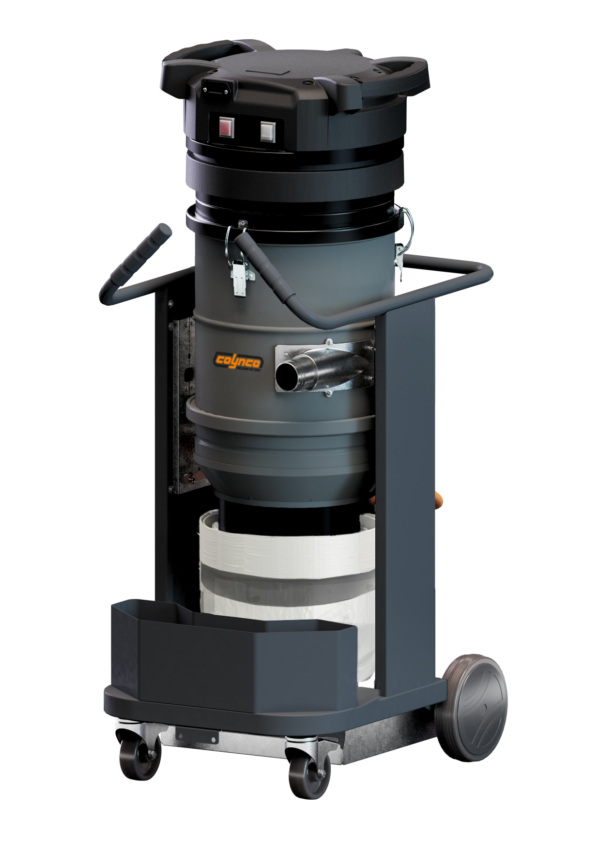
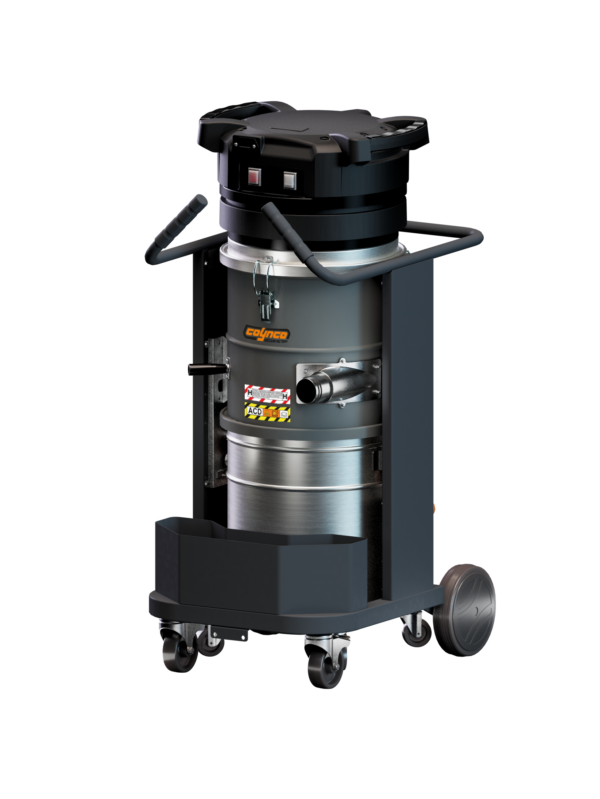
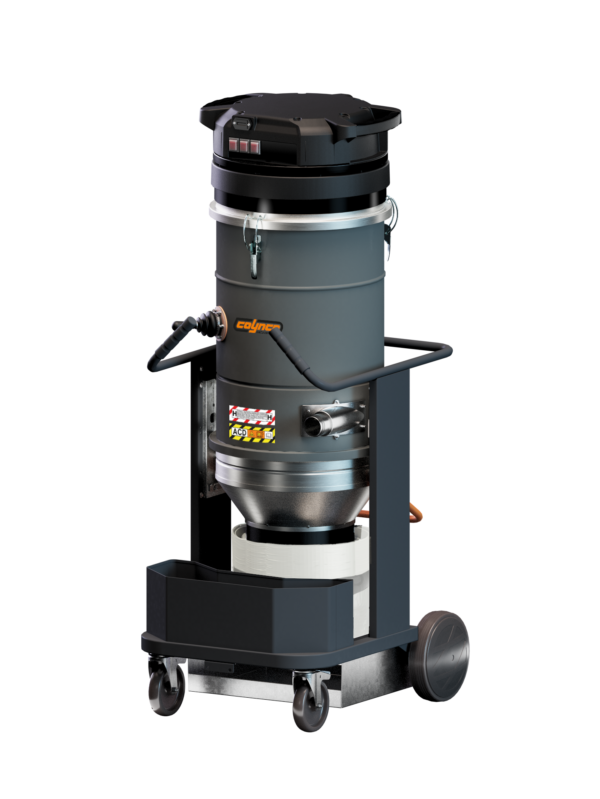
To manage these problems, the use of industrial vacuum cleaners proves to be an effective and efficient solution. Coynco designs these systems to suck up and contain both sand and metal fragments immediately after their generation. Thanks to advanced filtration technologies, industrial vacuum cleaners can capture even the finest particles, ensuring that the air remains clean and safe for workers. This helps maintain a healthy working environment and protects machines and infrastructure from corrosion and premature wear.
Features of Industrial Vacuum Cleaners
Power and Suction Capacity
The power of an industrial vacuum cleaner is a crucial factor that determines its effectiveness. Vacuum cleaners intended for sandblasting and metal waste collection are equipped with particularly powerful motors capable of generating sufficient airflow to suck up heavy materials and fine particles. This is essential to ensure that all residues are quickly and efficiently removed from the work area.
Advanced Filtration Systems
Another important feature of industrial vacuum cleaners is their filtration system. These devices use high-quality filters, often HEPA or ULPA, capable of trapping even the smallest particles, down to 0.3 microns. This is crucial to prevent the reintroduction of fine dust into the environment, thereby protecting the health of workers and keeping treated surfaces clean.
Coynco and the Advanced Features of Industrial Vacuum Cleaners for Sandblasting and Metal Waste
The industrial vacuum cleaners designed by Coynco for collecting abrasive and heavy materials, such as those resulting from sandblasting and metalworking, are equipped with advanced technical specifications that significantly enhance performance and durability. Let’s examine these features in detail, which are essential for effectively managing such industrial challenges.
Use of Abrasive-Resistant Hoses
One of the main challenges in collecting abrasive materials like sand used in sandblasting is the speed at which they can damage equipment. To counter this problem, industrial vacuum cleaners use hoses made of polyurethane or abrasive-resistant rubber. Additionally, inside the machine, replaceable Vulkollan rubber components are used to prevent the material being vacuumed from eroding the industrial vacuum cleaner's metal construction. These materials are chosen for their high resistance to wear and tear, ensuring greater longevity of the vacuum cleaner even under continuous strain.
Use of Small Diameter Hoses to Increase Speed
Another technical strategy employed in sandblasting vacuum cleaners is the use of relatively small diameter hoses. This design choice helps increase airflow speed inside the hoses, thereby improving the capacity to transport heavy materials and reducing the risk of blockages. Increased airflow speed means that even heavy and dense particles can be easily removed and collected.
Advanced Filter Protection
To maintain the effectiveness of the filtration system and prevent damage caused by abrasive particles, industrial vacuum cleaners include special devices to protect the filters. These may consist of primary filters or separation systems that capture larger particles before they can reach and damage the main filter. This approach not only extends the life of the filter but also ensures that the vacuum’s suction efficiency remains constant over time.
High Depression Motors for Heavy Materials
Industrial vacuum cleaners for sandblasting and metal waste must have a high suction capacity supported by a large installed power. The need for high depression is crucial to ensure that even materials with a high specific gravity can be effectively collected. This feature is vital to ensure that industrial vacuum cleaners can operate at maximum efficiency, even in the most demanding environments, where waste tends to accumulate in hard-to-reach areas.
Electric and Inverter Power Supply
Industrial vacuum cleaners suitable for such operations can be powered in various ways. Often, models are electrically powered and use side-channel blowers, ideal for generating intense depression needed for transporting heavy materials. Some of these electric models can also be equipped with inverters, an addition that allows the power to be adjusted according to the specific needs of the operation, increasing suction power when necessary.
Venturi System for Compressed Air Vacuum Cleaners
Another interesting option is represented by vacuum cleaners that operate using a Venturi system powered by compressed air: the Coynco PRO line. This solution is particularly advantageous in environments where the use of electricity may pose a risk, such as in the presence of flammable gases or vapors. The Venturi system uses the energy of compressed air to create the necessary vacuum for suction, without the need for moving parts, which reduces maintenance and increases the device's durability.
The Patented ICLEAN System for Superior Efficiency
A significant innovation in this field is represented by the patented ICLEAN system, which equips some advanced vacuum cleaner models.
Continuous Operation and Automatic Filter Cleaning
The ICLEAN system is designed to maximize the efficiency of industrial vacuum cleaners, allowing them to operate continuously. This is particularly important in sandblasting and metal waste collection environments, where residues are abundant and can quickly clog the filters. ICLEAN solves this problem through automatic and regular filter cleaning, ensuring that the vacuum cleaner maintains optimal suction capacity without the need for frequent manual interventions.
Working Safely and Without Interruptions
Thanks to the ICLEAN system, vacuum cleaners can operate continuously during intensive work cycles, thus avoiding delays and unexpected downtimes. The automatic cleaning of filters not only extends the life of the filter itself but also helps maintain consistent suction power.
Maintenance Optimization
The ICLEAN system significantly reduces the need for manual maintenance. Since filter cleaning is done automatically, the frequency of manual checks and replacements decreases, allowing companies to save on time and maintenance costs. Furthermore, keeping the filters clean increases the energy efficiency of the device, helping to reduce energy consumption.
These features make the ICLEAN system a valuable addition to industrial vacuum cleaners, particularly in sectors where efficiency and operational continuity are essential. Implementing vacuum cleaners equipped with this patented system can significantly improve the management of industrial processes, increasing productivity and ensuring cleaner and safer operations.
Choosing the Right Vacuum Cleaner for Your Business
Choosing the right industrial vacuum cleaner is crucial to ensure that sandblasting operations and metal waste management are as efficient and safe as possible. Here are some guidelines to help you select the most suitable vacuum system for your specific industrial needs.
Assessment of Specific Needs
First and foremost, it is essential to clearly understand which types of materials need to be collected and how frequently the vacuum cleaner will be used. The nature and volume of the waste will influence the choice of model in terms of power, collection capacity, and filtration system type. Consider whether the work environment presents particular challenges, such as restricted spaces or mobility requirements, which may require a more compact or easily portable vacuum cleaner.
Comparison of Electric and Compressed Air Power
Decide whether an electric model or a compressed air model is better suited to your work environment. Electric vacuum cleaners are generally more powerful and suitable for continuous and intensive use, but compressed air models may be more suitable in environments with explosion risks or where electricity is not easily accessible.
Consideration of Advanced Features
Do not overlook the importance of advanced features such as the patented ICLEAN system for automatic filter cleaning, which can significantly increase efficiency and reduce maintenance costs. Other features, such as multi-stage filtration systems and high depression motors, are crucial to ensure that the vacuum cleaner can effectively handle heavy materials and fine particles.
Environmental Compatibility Check
Make sure that the vacuum cleaner chosen is compatible with other systems and processes in your company. The vacuum cleaner’s ability to integrate seamlessly with existing equipment can prevent operational complications and further optimize workflows.
Consult Coynco Experts!
Finally, consider consulting Coynco professionals. They can offer valuable insights and advice specific to your context, helping you make an informed decision based on the latest technologies and innovations.
Selecting the right industrial vacuum cleaner is not only about meeting an immediate need but is an investment in the future of your business, ensuring that operations remain efficient, safe, and sustainable in the long term.
An Essential Solution
Industrial vacuum cleaners represent an essential solution to improve the efficiency, safety, and sustainability of sandblasting operations and metal waste management. By implementing advanced technologies and carefully selecting systems suited to the specific needs of each business, it is possible to optimize production processes and ensure a cleaner and safer work environment for all employees. The ability of these systems to operate continuously, combined with innovations like the ICLEAN automatic filter cleaning system, ensures that industrial vacuum cleaners can successfully tackle the most complex challenges in collecting abrasive and heavy materials. This reduces manual workload and downtime, resulting in increased productivity and lower operational costs.
Finally, choosing the right vacuum cleaner, considering multiple factors, is essential. Industrial vacuum cleaners are not just operational tools but strategic allies indispensable for staying competitive in an increasingly quality, safety, and environmentally-conscious industrial market.