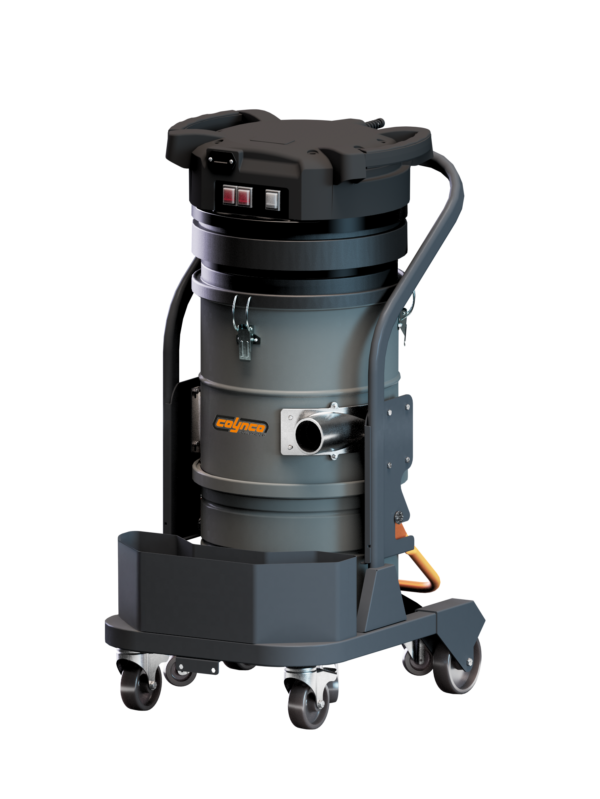
Industrial Vacuum Systems for the Metallurgical and Steel Industry: Cleanliness, Safety, and Strategic Value
The metallurgical and steel industries, as part of the heavy industry sector, are vital pillars of the global economy. These industries enable technological advancement and infrastructure development, producing critical materials such as steel, iron, and other metals used in construction, automotive, and electronics. However, the unique challenges posed by these industries—such as managing harmful residues, maintaining equipment, and ensuring worker safety—make industrial vacuum systems indispensable. These systems provide cutting-edge solutions for collecting and handling hazardous materials, ensuring compliance with regulations, and enhancing operational efficiency.
Worker safety is paramount in the metallurgical and steel industries due to the hazardous nature of materials and processes. Key safety challenges include:
Exposure to Toxic Dust and Fumes
Processes such as metal cutting, grinding, and casting generate fine metal dust and toxic fumes. Prolonged exposure can cause respiratory diseases and other occupational illnesses.
Accident Prevention
Accumulated residues, such as metal shavings and slag, can create slippery or unsafe surfaces. Efficient cleaning reduces the likelihood of workplace accidents.
By effectively collecting and containing harmful residues, industrial vacuums significantly reduce worker exposure to dangerous substances and create a safer, more hygienic workplace environment.
The metallurgical and steel industries produce massive amounts of dust, slag, and metallic residues, including:
Metal Dust: Generated from grinding, cutting, and welding.
Slag and Scale (Calamine): Byproducts from smelting and rolling processes.
Coke Residues: Resulting from iron and steel production, especially in blast furnaces.
Improper handling of these materials can lead to:
- Reduced air quality and environmental contamination.
- Machinery damage from abrasive particles.
- Increased production downtime and operational costs.
Efficient Dust Collection: High-capacity vacuums can handle large volumes of abrasive and fine particles, ensuring cleaner workspaces.
Recycling Opportunities: Collected metallic residues can often be reprocessed, reducing waste and material costs.
Residue accumulation on surfaces and within machinery can cause significant wear and tear, reducing efficiency and increasing maintenance needs. Regular cleaning with industrial vacuums helps:
Prevent Equipment Damage
Abrasive metal dust can erode machine components. Industrial vacuums protect machinery, prolonging its lifespan.
Reduce Downtime
Continuous residue removal minimizes the need for costly repairs and unplanned maintenance.
The metallurgical and steel sectors must adhere to stringent environmental and safety regulations to avoid fines, sanctions, and reputational damage. Industrial vacuum systems play a critical role in meeting these standards by:
Minimizing Airborne Particulates
HEPA filtration systems capture hazardous dust, ensuring compliance with air quality regulations.
Safe Waste Handling
Systems such as big bag collectors and tipping separators allow for safe, efficient waste disposal, protecting workers and the environment.
Industrial vacuums designed for these sectors must meet specific performance requirements:
Durability and Robustness
Built to withstand heavy-duty conditions and frequent impacts.
Resistant to abrasives and high temperatures.
High-Capacity Performance
Designed to handle large volumes of metal dust, slag, and other heavy materials efficiently.
Advanced Filtration
Equipped with HEPA or equivalent filters to contain hazardous particulates and protect air quality.
Ergonomic Design
Portable or centralized systems tailored to specific applications, from small workshops to large industrial plants.
Safety Features
Dust containment systems, such as sealed bags or separators, minimize worker exposure and ensure safe material handling.
Incorporating industrial vacuum systems is not only about maintaining cleanliness—it is a strategic investment in sustainability and operational excellence. Key benefits include:
Environmental Responsibility
Recycling collected residues reduces material waste and minimizes environmental impact.
Cost Savings
Lower disposal costs, reduced downtime, and extended equipment lifespan lead to significant savings.
Worker Health and Productivity
Safer working conditions result in healthier, more productive employees.
In an era of heightened environmental awareness and strict regulatory demands, adopting industrial vacuum systems is both a responsible choice and a smart business strategy. These systems enhance safety, optimize production, and support sustainable practices, ensuring that companies in the metallurgical and steel sectors can meet current challenges and prepare for future opportunities.
Investing in industrial vacuums is not just about maintaining compliance—it's about achieving long-term success in a competitive and ever-evolving industry.